Robot Vacuums: The Right Time to Buy Is Not When You Need One
In this edition: Appliances
Robot vacuum pricing follows a pattern worth understanding before you need the machine: prices drop around Amazon Prime Day (July), Black Friday (November), and periodically in February and March when inventory from the holiday cycle moves through clearance. Buying when you need one -- after the old vacuum has died -- means buying at full price.
The strategic move is to watch the category between events and act when a specific model you have researched drops below its historical floor.
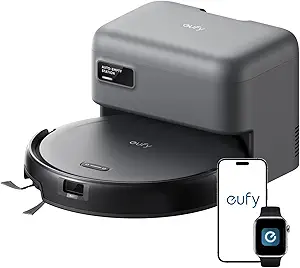
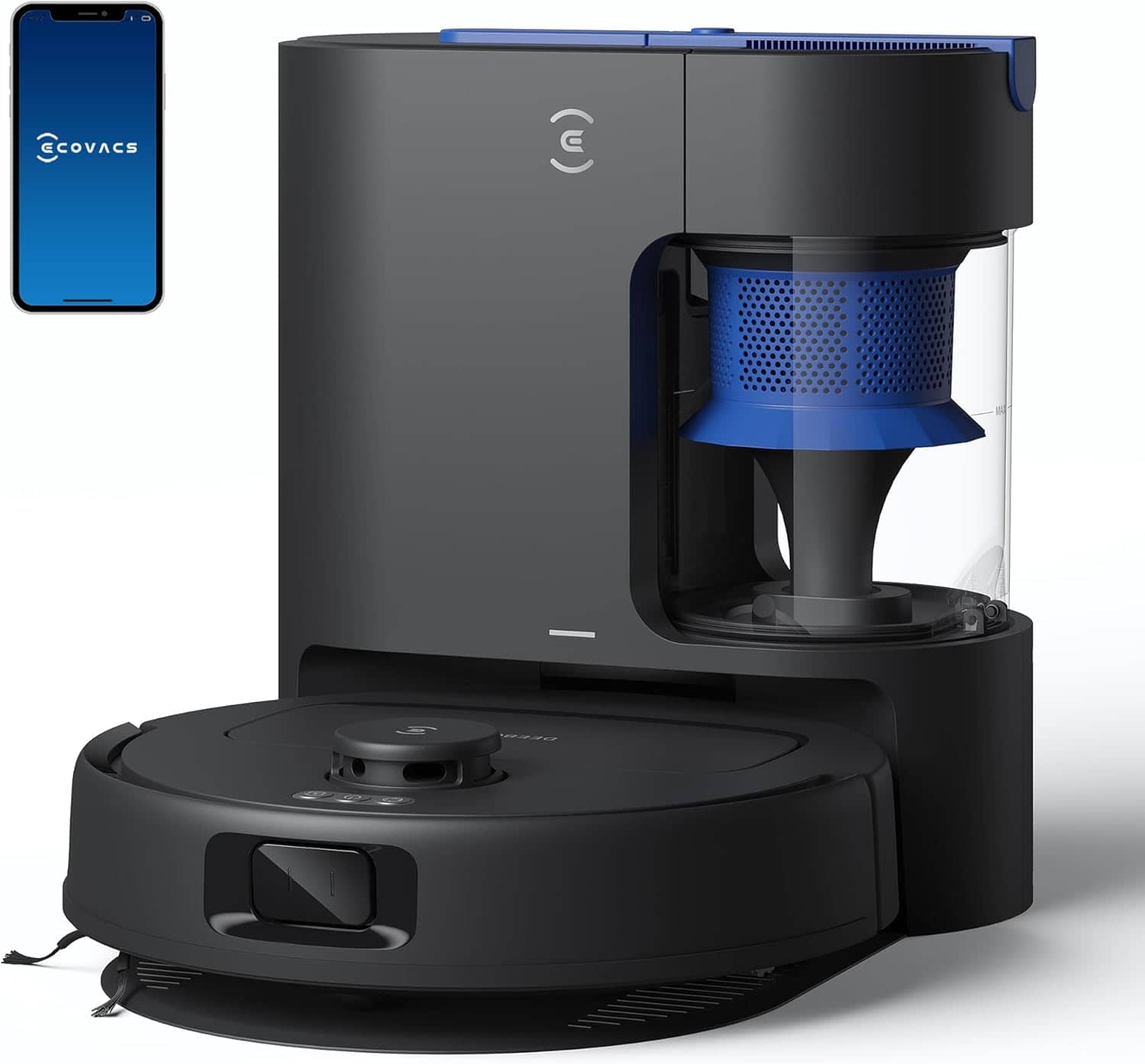
A self-emptying robot vacuum with advanced smart mapping at under $220. The 8-week hands-free claim refers to the onboard dust bag: daily cleaning sessions across an eight-week window without requiring the user to empty the bin. Smart mapping means the robot learns and stores your floor plan, avoids furniture legs consistently on repeat passes, and runs zone cleaning on demand. The 7,900 sq ft coverage specification is the relevant number for homes with multiple connected rooms.
Self-emptying is the feature that separates functional daily-use robots from the category that gets used for a week and parked in a closet. Without it, the machine requires the same daily interaction as a traditional vacuum.
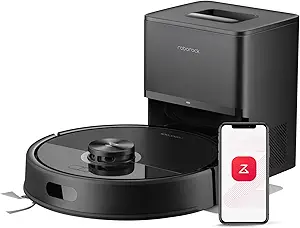
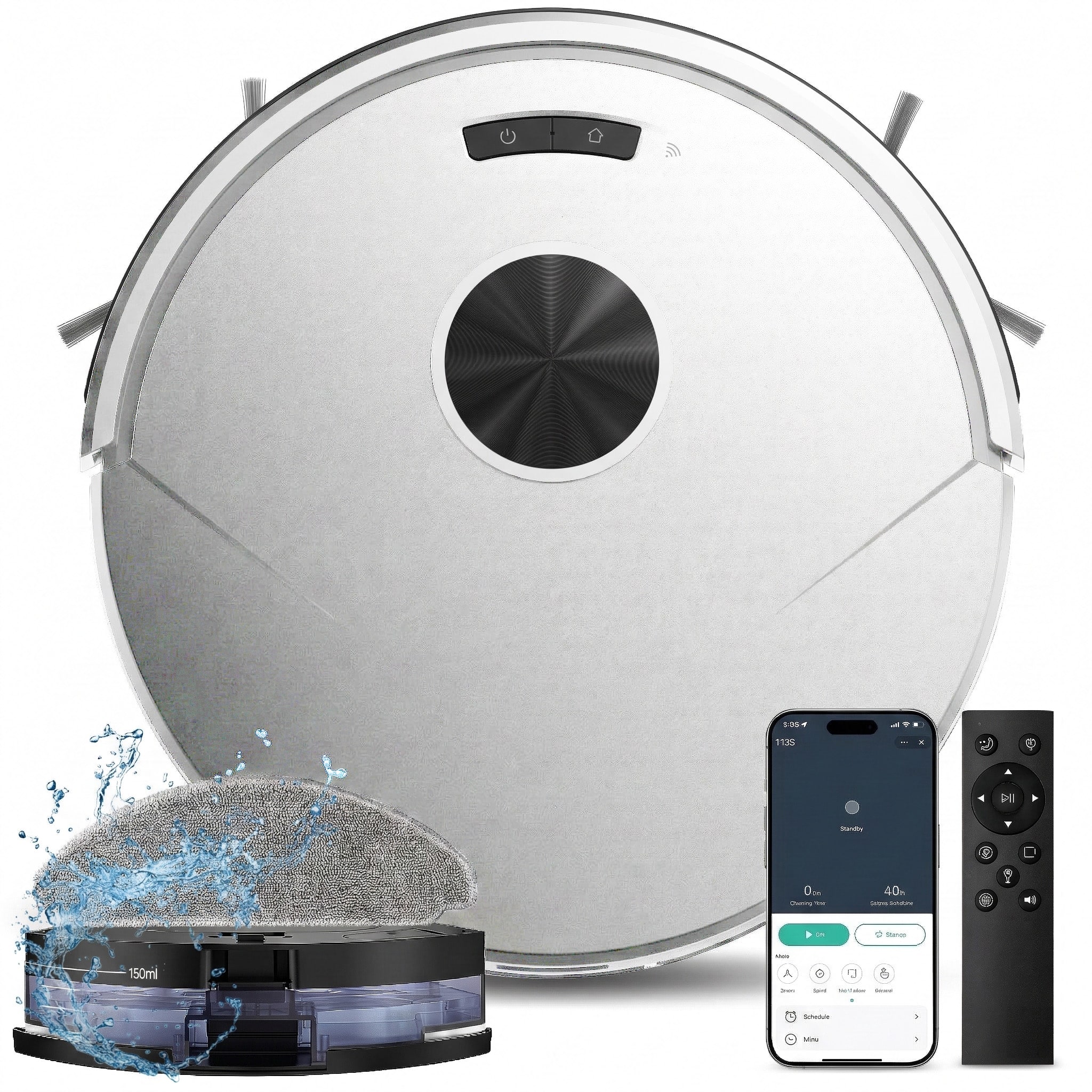
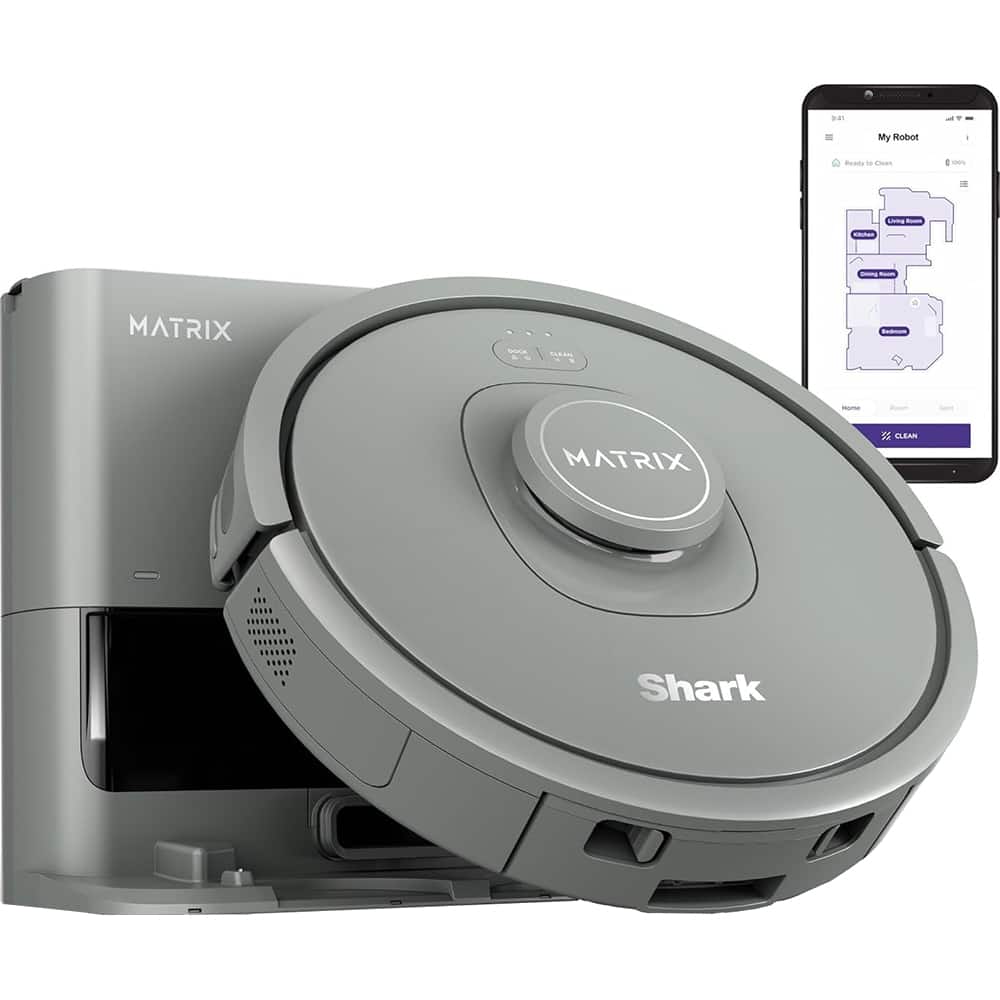
Adds simultaneous mopping to the vacuum function. The water tank is managed automatically during the session; the mop pad requires manual cleaning afterward. The self-emptying base handles the dust side of the cleanup. For households where mopping is a weekly task -- hardwood, tile, or LVP floors -- eliminating the standalone mop cycle is the argument for the $30 premium over the eufy.
The roborock also handles up to 7,900 sq ft per charge with its own advanced mapping system. The mopping function uses a consistent water output setting rather than oscillating pad technology; it is designed for maintenance mopping rather than deep-clean scrubbing.
Two robot vacuums are currently in the product catalog. The broader market includes additional options at higher price points and with different mopping and mapping capabilities not reflected here.
The timing principle stands regardless of which model you are considering: know what you want, establish the price floor from historical data, and buy on the dip rather than at need.